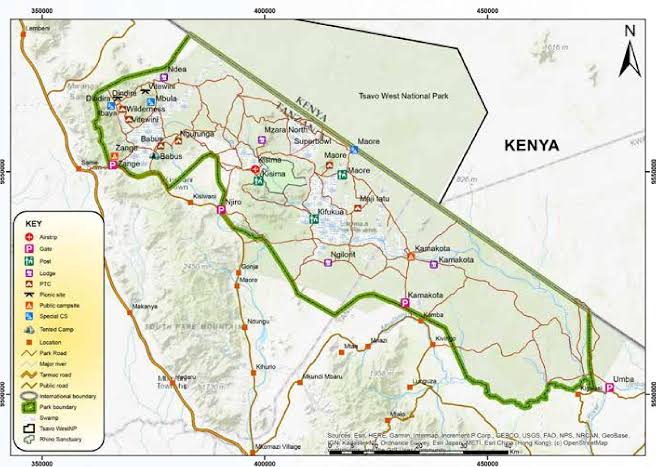
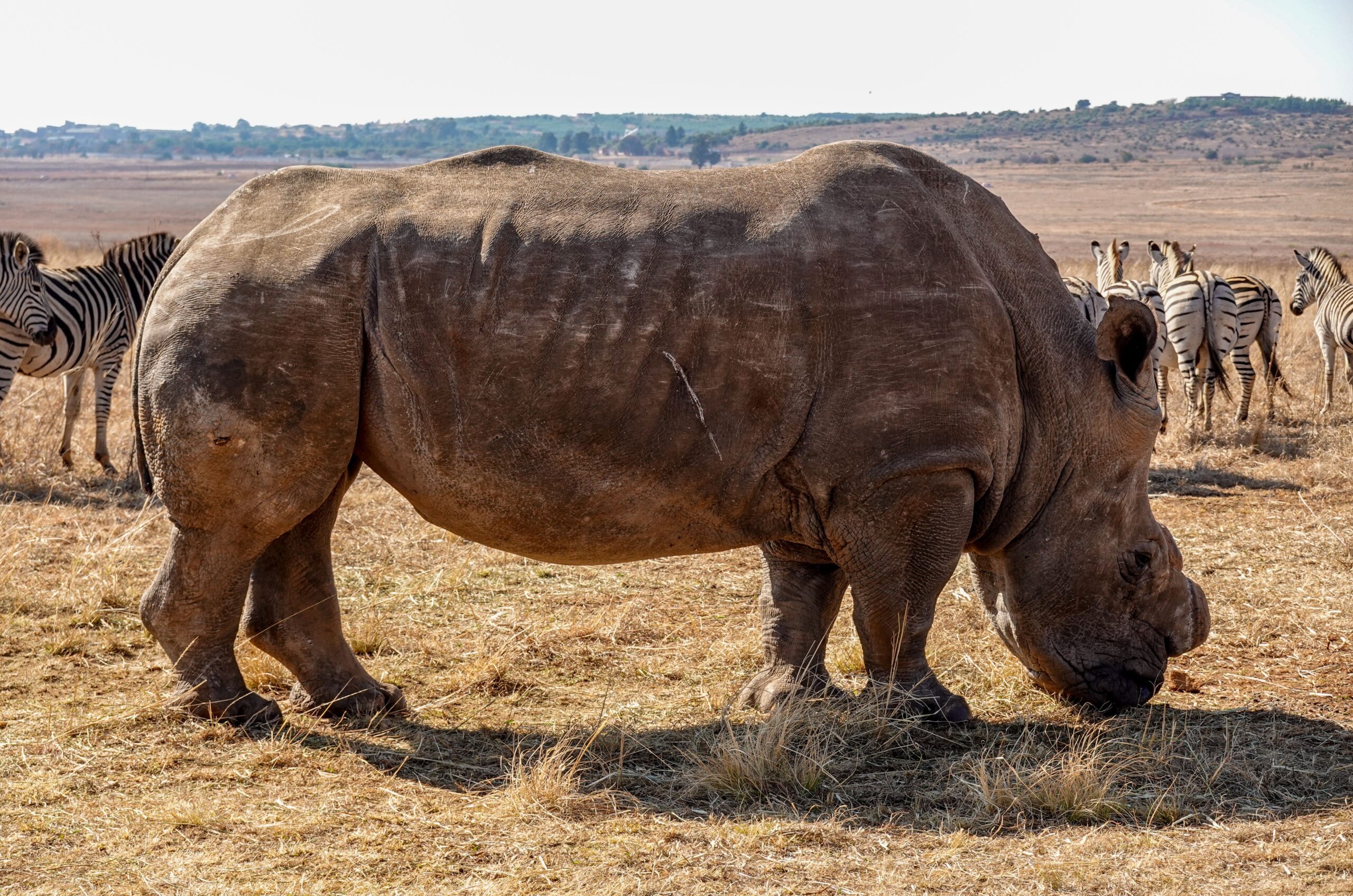
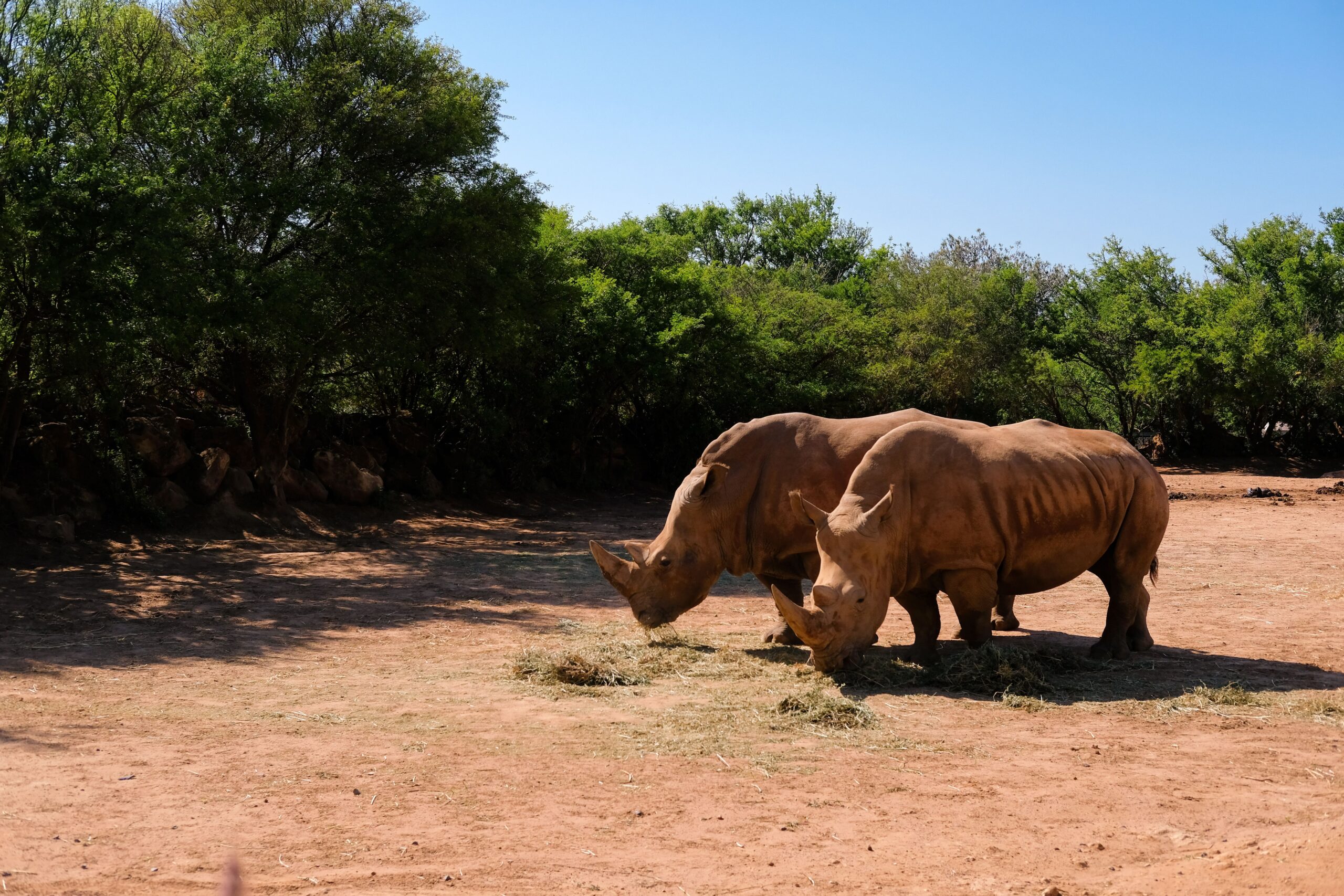
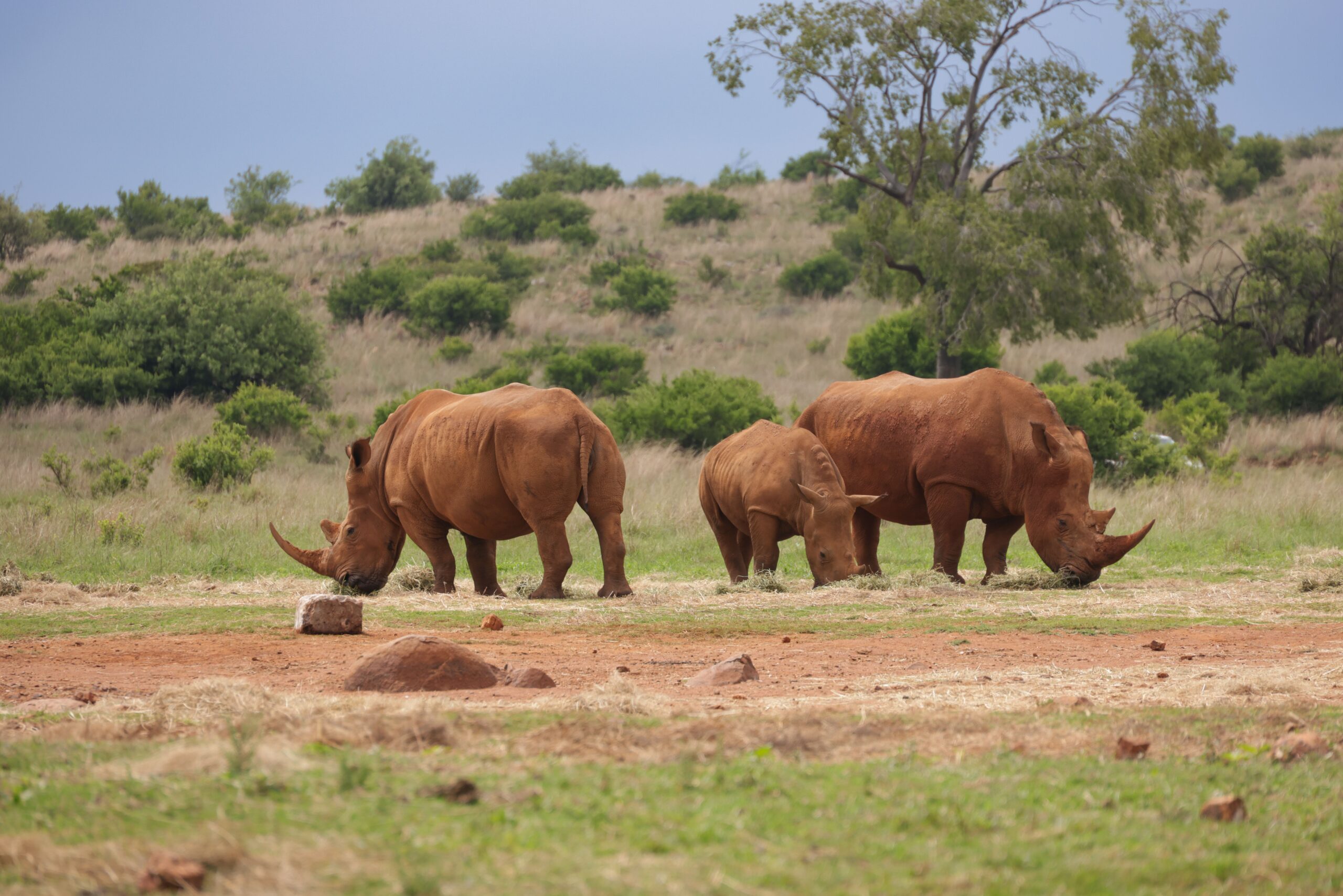
Mkomazi National Park in northeastern Tanzania is a hidden gem of East African safaris, offering a unique blend of rugged semi‑arid landscapes, rare wildlife, and conservation success stories. Bordering Tsavo West National Park in Kenya, Mkomazi spans over 3,200 km² and is renowned for its black rhino sanctuary and thriving population of African wild dogs. Visitors can expect to see elephants, giraffes, zebras, buffalo, lions, cheetahs, and the rare fringe‑eared oryx, alongside more than 450 bird species including ostriches and secretary birds. The park’s scenery is breathtaking, with sweeping views of Mount Kilimanjaro, the Pare Mountains, and the Usambara Mountains. Unlike the busier Serengeti or Ngorongoro, Mkomazi offers a quieter, more intimate safari experience, ideal for travelers seeking solitude and conservation‑focused tourism.
Trip Overview
Mkomazi National Park is a semi‑arid wilderness in northeastern Tanzania, famous for its black rhino sanctuary, African wild dog conservation, and sweeping views of Mount Kilimanjaro, the Pare, and Usambara Mountains. It offers a quieter, more untouched safari experience compared to Serengeti or Ngorongoro.
🌍 Location & Size
- Situated in northeastern Tanzania, bordering Kenya’s Tsavo West National Park.
- Covers 3,245 km² (1,255 square miles), forming one of East Africa’s largest protected ecosystems.
- Lies southeast of Mount Kilimanjaro and northeast of the Pare Mountains.
🐘 Wildlife & Conservation
- Black rhino sanctuary: A major conservation project protecting one of Africa’s most endangered species.
- African wild dogs: Successfully reintroduced and thriving.
- Other wildlife: elephants, giraffes, zebras, buffalo, eland, hartebeest, lions, leopards, cheetahs, hyenas, and fringe‑eared oryx.
- Birdlife: Over 450 species, including ostriches, secretary birds, hornbills, and migratory species.
🌿 Landscape & Ecosystem
- Dominated by savanna, acacia woodlands, thorn scrub, and baobab trees.
- Seasonal rivers and semi‑arid plains create dramatic contrasts between wet and dry seasons.
- Offers a quieter safari experience with fewer crowds than Serengeti or Ngorongoro.
📖 History & Management
- Established as a game reserve in 1951, upgraded to national park in 2006.
- Managed by Tanzania National Parks Authority (TANAPA) with strong anti‑poaching and habitat restoration programs.
- Name origin: “Mkomazi” comes from Pare words Mko (wooden spoon) and Mazi (water), symbolizing survival in arid lands.
✨ Key Highlights
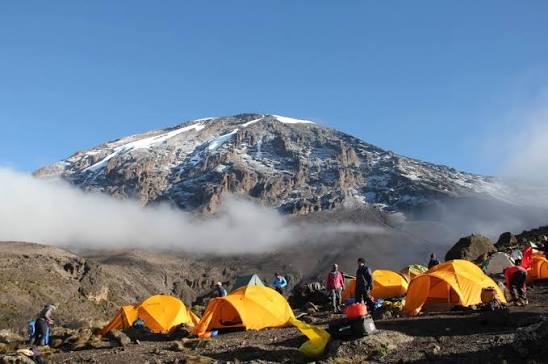
- Scenic views: Kilimanjaro’s snow‑capped peak visible on clear days.
- Wildlife corridors: Migratory herds of elephants, oryx, and zebras move between Tanzania and Kenya.
- Unique safari appeal: Remote, rugged, and ideal for travelers seeking solitude and conservation‑focused tourism.
Highlights
- Black Rhino Sanctuary → A rare chance to see critically endangered rhinos in a protected habitat.
- African Wild Dogs → One of Tanzania’s few strongholds for this endangered predator.
- Scenic mountain views → Panoramic vistas of Mount Kilimanjaro, Pare, and Usambara ranges.
- Unique wildlife → Elephants, giraffes, zebras, buffalo, lions, cheetahs, and the rare fringe‑eared oryx.
- Birdwatching paradise → Over 450 bird species, including ostriches, secretary birds, and hornbills.
- Untouched safari experience → Remote, quiet, and less crowded compared to Serengeti or Ngorongoro.
- Cross‑border ecosystem → Wildlife corridors linking Tanzania’s Mkomazi with Kenya’s Tsavo West.