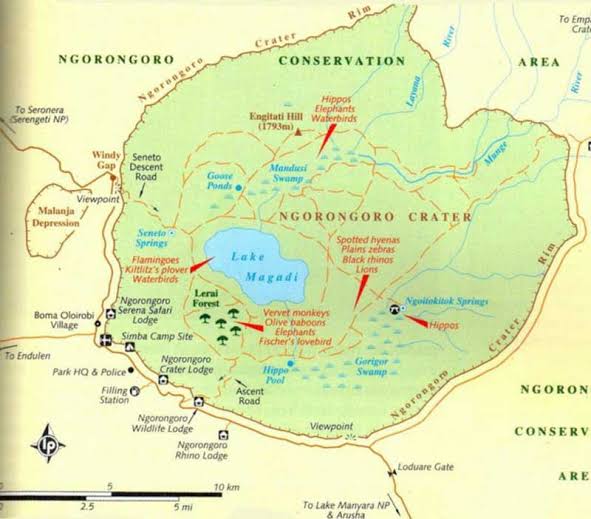
Ngorongoro National Park, officially known as the Ngorongoro Conservation Area, is a UNESCO World Heritage Site in northern Tanzania that offers one of the most spectacular safari experiences in Africa. Centered around the world’s largest intact volcanic caldera, the Ngorongoro Crater, the park is home to an extraordinary density of wildlife including the Big Five — lions, elephants, leopards, buffalo, and the rare black rhino. Visitors enjoy breathtaking scenic viewpoints overlooking the crater, immersive game drives across savanna plains, and cultural encounters with the Maasai communities who live within the conservation area. With over 500 bird species, lush forests, lakes, and sweeping grasslands, Ngorongoro offers a unique blend of wildlife, landscapes, and culture, making it a must‑visit destination often combined with safaris to the Serengeti and Lake Manyara.
Trip Overview
Ngorongoro Conservation Area in northern Tanzania is a UNESCO World Heritage Site renowned for the Ngorongoro Crater, the world’s largest intact volcanic caldera, and its extraordinary wildlife including lions, elephants, buffalo, and rare black rhinos. Covering 8,292 km² of savanna, forests, and highlands, Ngorongoro is also globally significant for archaeology, with Olduvai Gorge and Laetoli preserving evidence of human evolution dating back 3.6 million years. Visitors enjoy breathtaking crater views, rewarding game drives, Maasai cultural encounters, and birdwatching, making Ngorongoro one of Africa’s most iconic safari destinations
🌍 Overview of Ngorongoro
- Location: About 180 km west of Arusha, within Tanzania’s Crater Highlands.
- Size: Covers 8,292 km² of highland plains, savanna, woodlands, and forests.
- Ngorongoro Crater: The centerpiece, a 600 m deep volcanic caldera spanning 260 km², home to ~25,000 large animals.
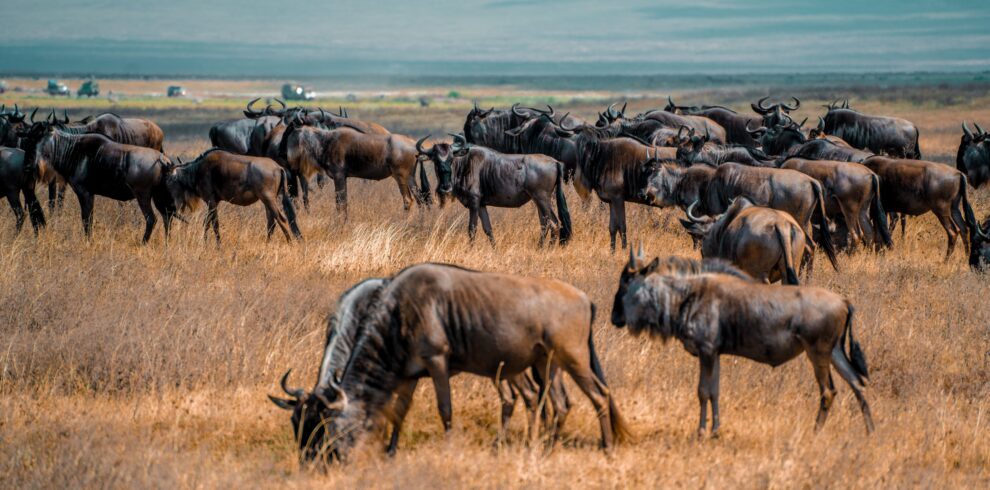
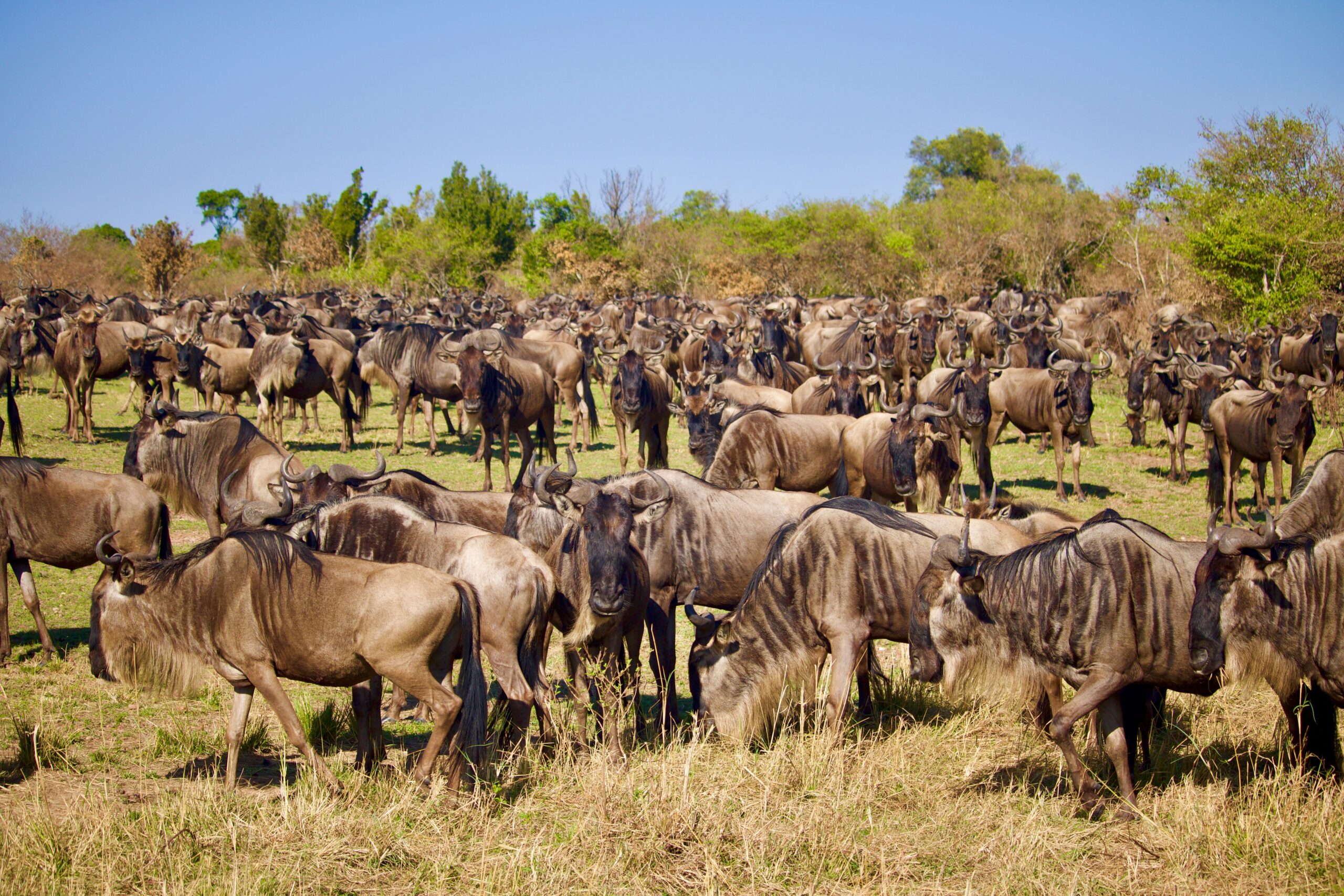
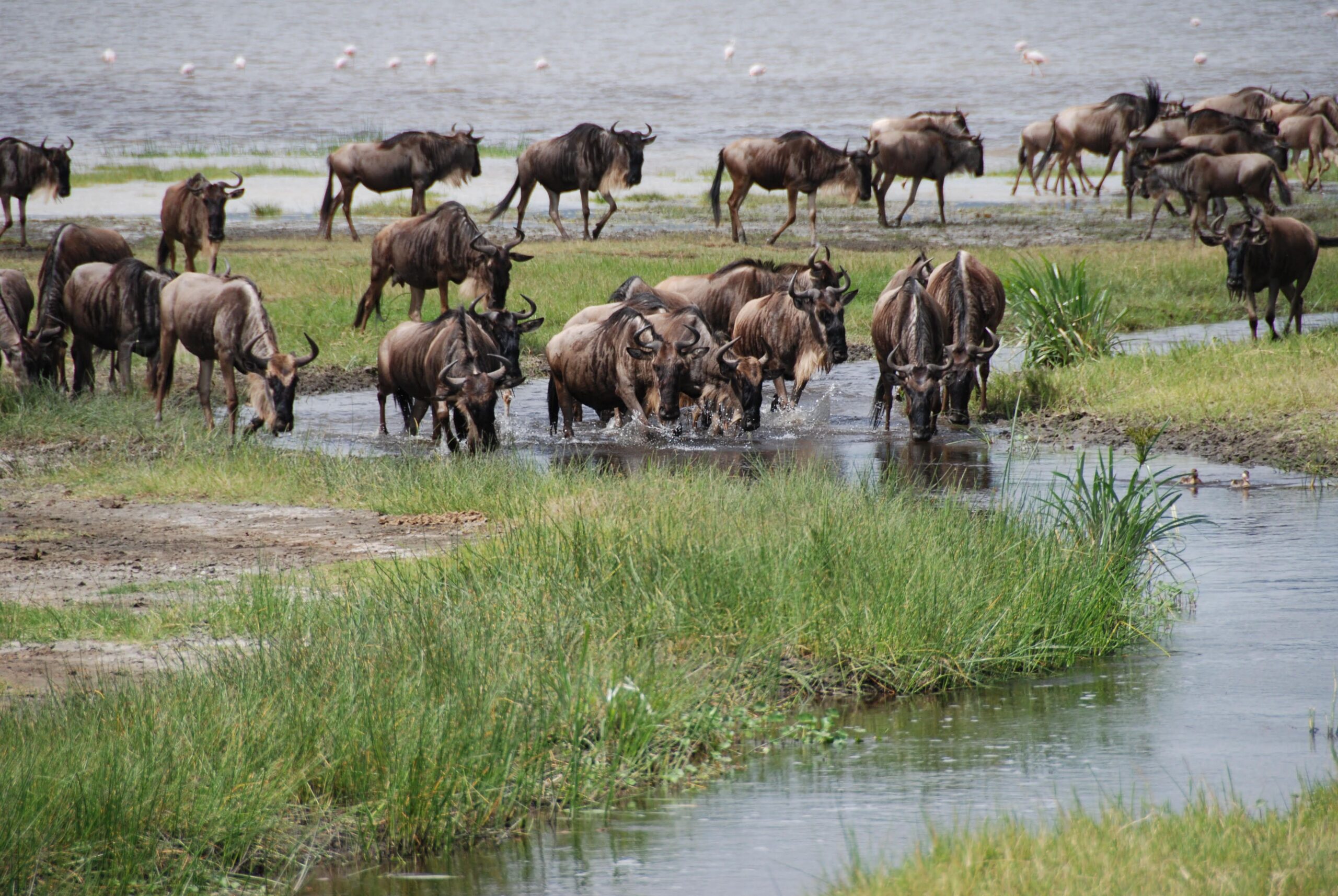
- Wildlife: Lions, elephants, buffalo, leopards, black rhinos, hippos, wildebeest, zebras, and over 500 bird species.
- Cultural Significance: Semi‑nomadic Maasai pastoralists live alongside wildlife, practicing traditional grazing.
- Archaeology: Olduvai Gorge and Laetoli footprints provide evidence of human evolution dating back 3.6 million years.
- UNESCO Status: Inscribed in 1979 for both natural and cultural value.
🦁 Why It’s Unique
- Highest predator density in Africa — lions, hyenas, and leopards thrive in the crater.
- Rare black rhinos — one of the best places to see them in East Africa.
- Great Migration link — part of the Serengeti–Maasai Mara ecosystem.
- Human heritage — fossils and artifacts spanning nearly 4 million years.
Trip Highlights
- Ngorongoro Crater — The world’s largest intact volcanic caldera, home to ~25,000 animals including lions, elephants, buffalo, and rare black rhinos.
- Big Five Sightings — One of the few places in Africa where all Big Five species can be seen in a single day.
- Hippo Pool Picnic — Scenic lunch spot surrounded by hippos and waterbirds.
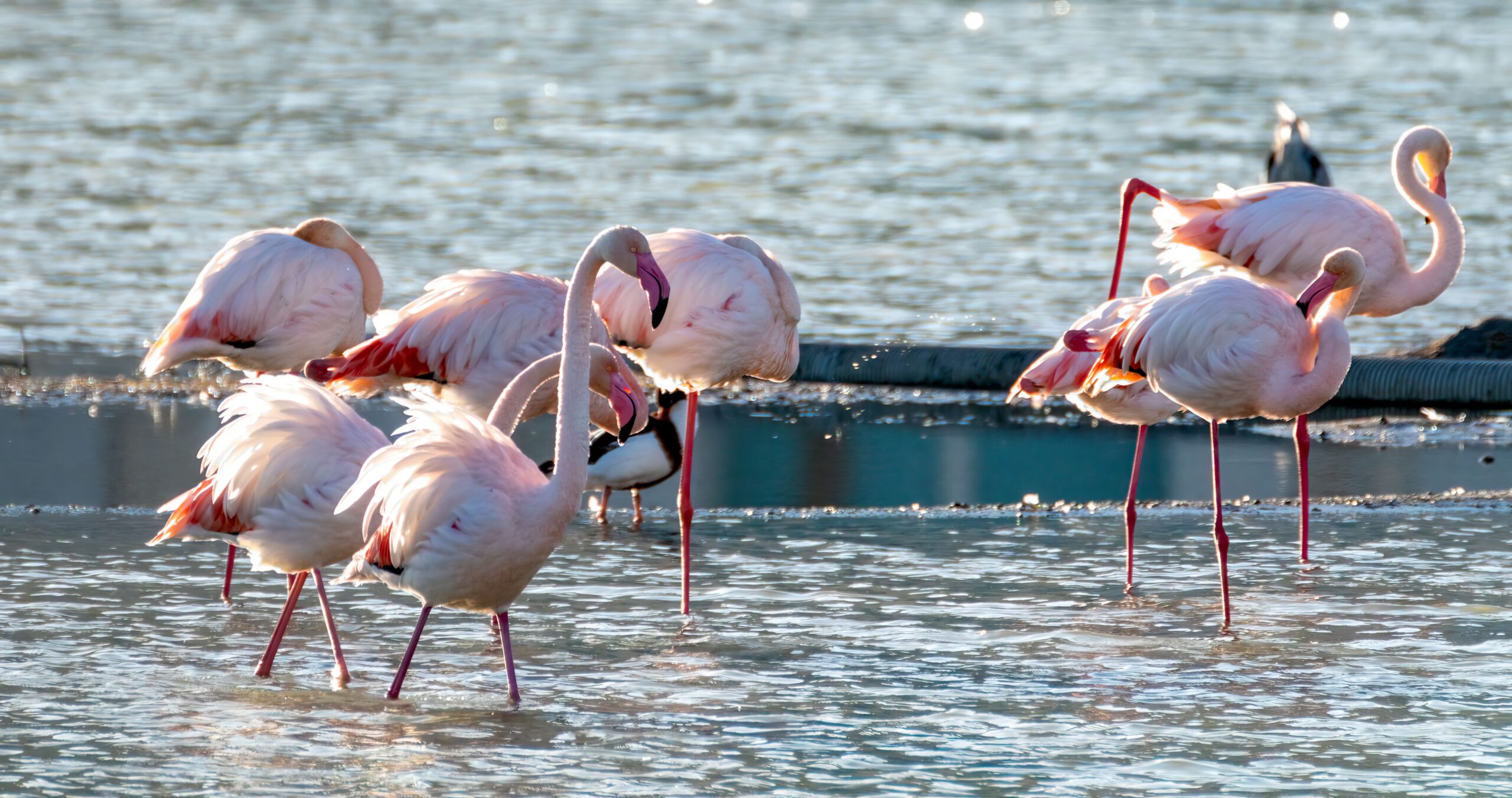
- Lake Magadi Flamingos — Seasonal gatherings of flamingos and other waterfowl.
- Maasai Cultural Encounters — Visits to traditional villages for authentic cultural immersion.
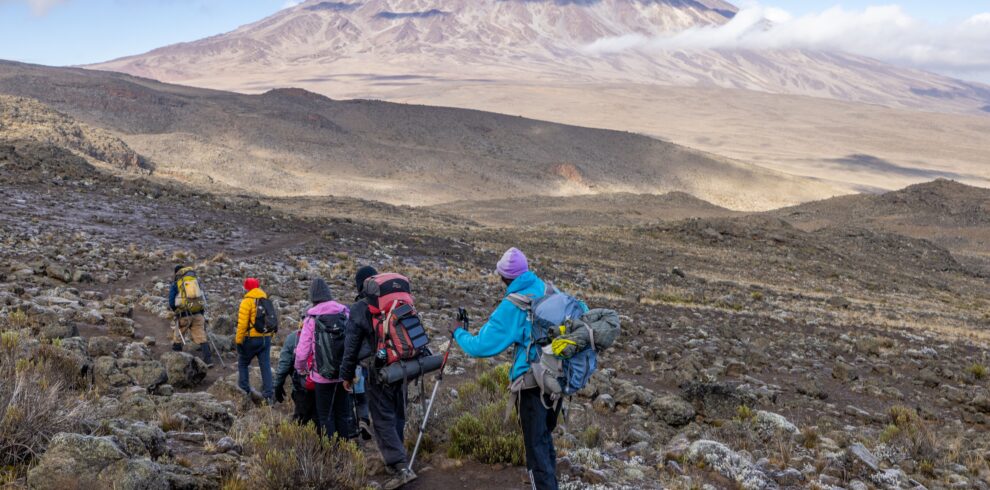
- Empakaai & Olmoti Craters — Highland treks with panoramic views, birdwatching, and forest trails.
- Olduvai Gorge — Archaeological site with fossils and artifacts tracing human evolution.